Categories
Selected Articles

How To Detect Directed Energy Weapons: A Comprehensive Guide


Navigating the complex world of Directed Energy Weapons (DEWs) might seem like a daunting task. Yet, as an expert researcher in military technology who has extensively studied these high-tech systems, I am equipped to be your guide.

This article will offer you comprehensive insights into the detection methods for DEWs and their importance in modern warfare. Are you ready to demystify DEWs?
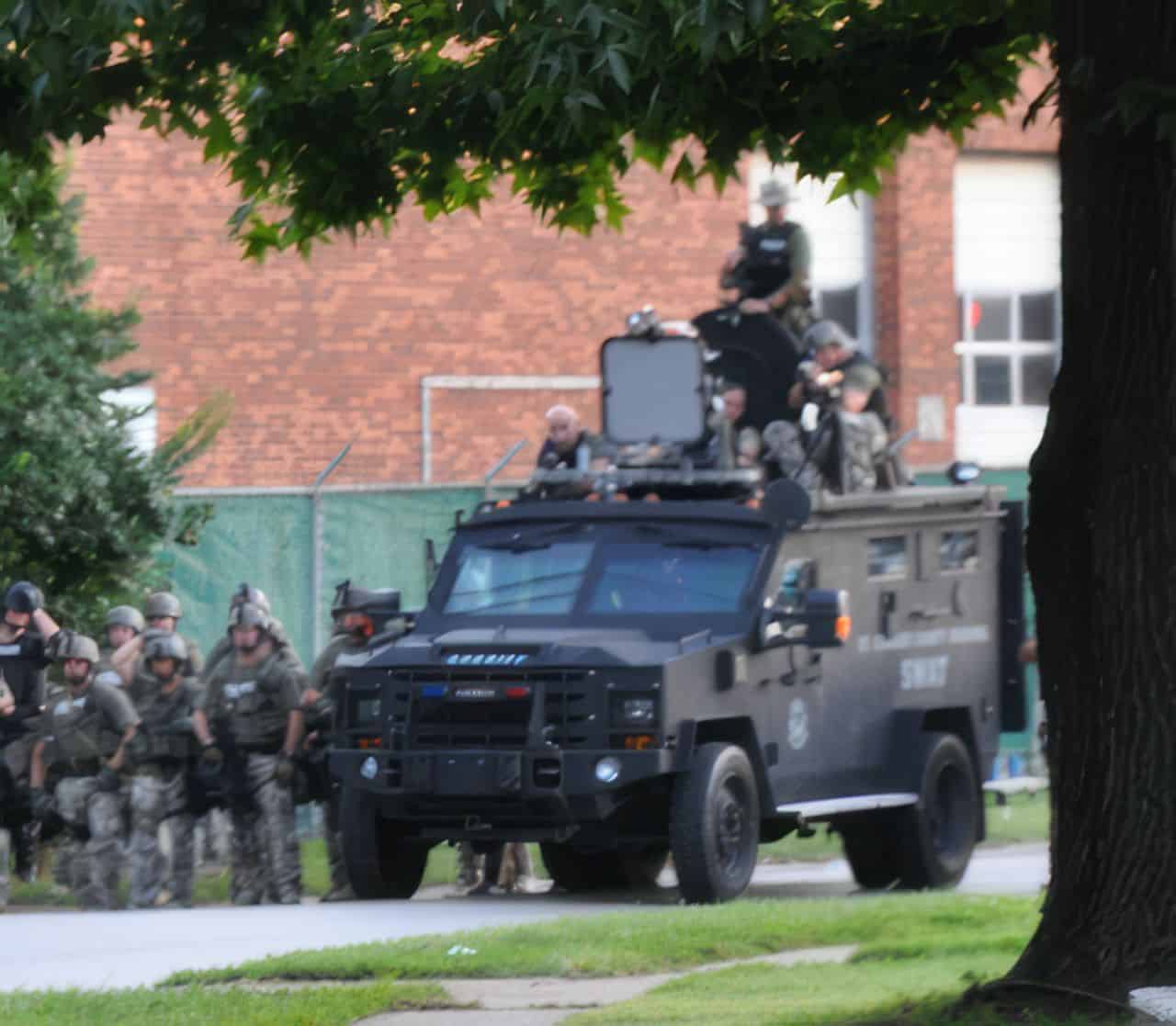
sonic directed energy weapon LRAD

Directed Energy Weapons (DEWs) utilize electromagnetic radiation to inflict damage or destruction on targets.

Directed Energy Weapons, also known as DEWs, operate on the principle of harnessing and directing electromagnetic radiation to harm or incapacitate targets. The beauty of these weapons lies in their precision – they hone onto a specific target without the collateral damage often associated with conventional weaponry.

They come in different types – microwave weapons that emit high-frequency electromagnetic radiation causing burns and internal organ damage; laser weapons emitting concentrated beams of light that can cause blindness and severe burns; particle beam weapons accelerating subatomic particles towards targets for similar effects.

So, while their functionality may sound straight out from a spy movie, the reality is far more potent – they’re real, they’re deadly, and knowing how to detect them could potentially save lives.

In our exploration of directed energy weapons (DEWs), we come across a spectrum of advanced weapon systems. These systems function by producing a concentrated beam of energy to disable or destroy a target. Below are some noticeable types:

  1. Microwave Weapons: As one of the common types, microwave weapons release high-frequency electromagnetic radiation. The U.S. Navy uses High Power Microwaves (HPM) as part of their DEWs arsenal.
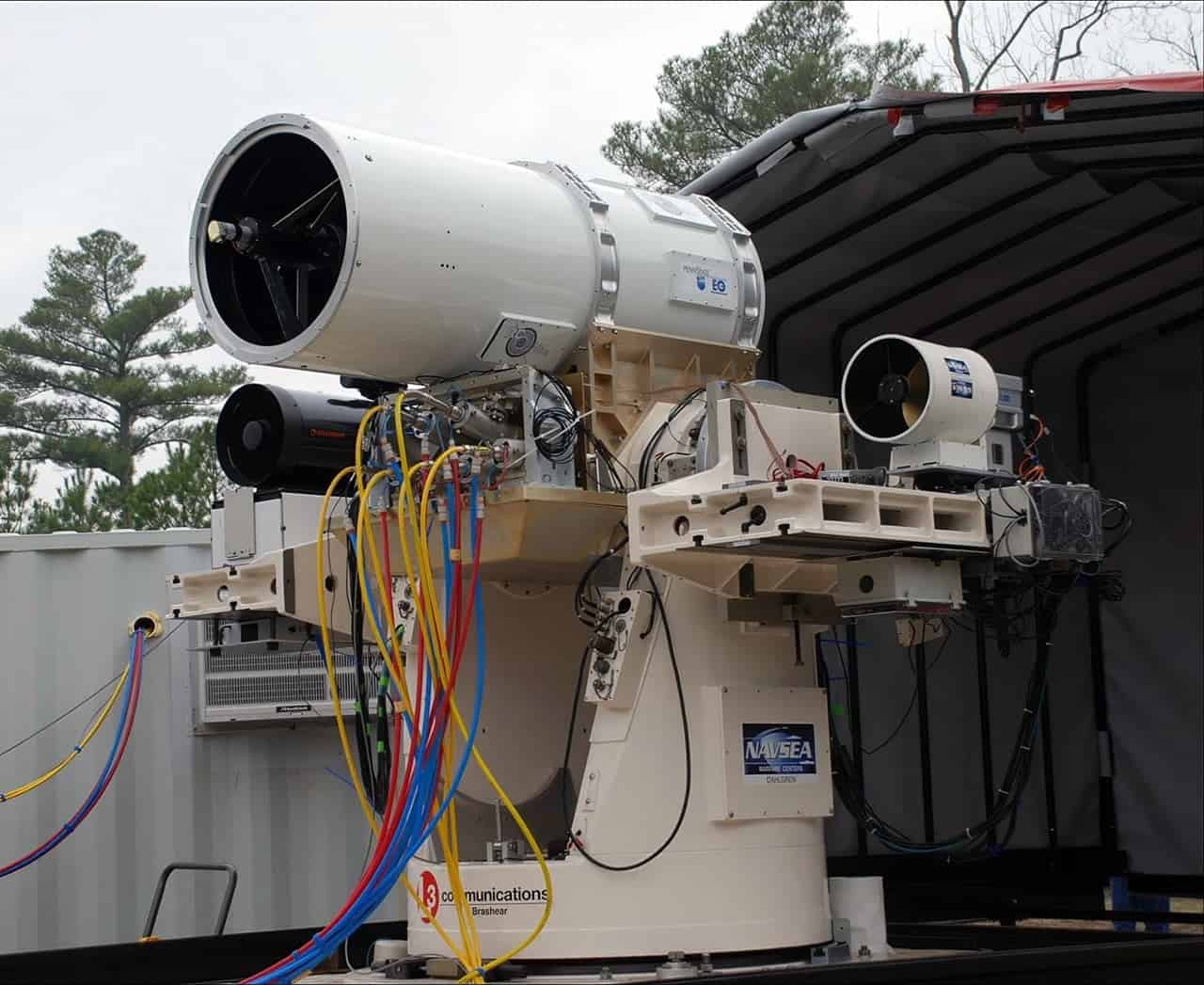
  2. Laser Weapons: A shining example in this category is the High Energy Lasers (HEL). They emit photons, creating a concentrated beam of light that has proven effective in both power projection and integrated defense missions. Notably, the Maritime Laser Demonstrator (MLD) was initially operated at sea, followed by the Laser Weapons System (LaWS) onboard USS Ponce – marking it as the first military HEL.
  3. Particle Beam Weapons: Remarkably innovative particle-beam weapons fire streams of subatomic particles to incapacitate targets. This type is still under substantial research and holds promise for future warfare technologies.
  4. Plasma Weapons: Considered science fiction not too long ago, plasma weapons use a highly energized state of matter – plasma – usually delivered as compact pulses against targets.
  5. Sonic Weapons: Deployed for both military and law enforcement agencies’ purposes, sonic weapons use sound waves at extreme volumes or frequencies, causing discomfort or actual physical harm to individuals exposed to them.

Microwave Directed Energy Weapons (DEWs) have carved a niche for themselves in the realm of modern warfare. These devices shockingly harness the power of high-frequency electromagnetic radiation to inflict harm.

And it’s not just minor scrapes and bruises we’re talking about here, but serious internal organ damage and severe burns that can incapacitate instantly. Military and law enforcement agencies around the globe realize the potency of these tools, as well as their cost-effectiveness and accuracy, making them an increasingly common weapon choice on today’s battlefield.

But beware – criminals and terrorists aren’t far behind in exploiting this dangerous technology for nefarious purposes too. That’s why detection is critical! With specialized equipment tuned to pick up radio waves or infrared detectors designed to sense heat energy emitted by DEWs – including microwaves – keeping ahead in this dangerous game becomes achievable.

Laser weapons are a type of directed energy weapon (DEW) that use concentrated beams of light to deliver a powerful punch. These beams can cause severe burns and even blindness. As an aerospace engineer, I’ve seen firsthand the incredible range and accuracy of laser weapons.

They emit photons, which are particles of electromagnetic energy, in a tightly focused beam. When this beam hits its target, it releases an intense amount of heat energy, causing damage with pinpoint precision.

The U.S. military has been at the forefront of developing laser technology for both offense and defense purposes. From anti-drone rifles to counter-electronics projects, lasers have proven their operational advantages on the battlefield.

Particle-beam

As a man interested in understanding directed energy weapons, it’s important to know about particle-beam weapons. These weapons are considered one of the types of directed energy weapons alongside microwave and laser weapons.

What sets particle-beam weapons apart is their ability to accelerate subatomic particles and direct them toward targets, resulting in severe burns and internal organ damage. With these devastating effects, detecting the use of particle-beam weapons becomes crucial for personal safety and national security.

By being aware of the distinctive signs and employing specialized tools like radio detection or infrared detectors, we can enhance our defenses against these advanced technologies.

Plasma, one of the types of directed energy weapons (DEWs), is an incredibly powerful form of matter that can be used as a destructive force. Plasma weapons are designed to generate and control high-temperature plasma, a state of matter in which electrons and ions are no longer bound together.

This allows them to unleash devastating amounts of heat and energy on their targets.

When it comes to detecting plasma-based DEWs, special equipment is required due to the unique characteristics they possess. Plasma emits electromagnetic radiation that can be detected using radio detection techniques.

In addition, the extreme temperatures generated by plasma weapons create distinct heat signatures that can be identified using thermal cameras.

Sonic-directed energy weapons are a fascinating and powerful type of DEW. They utilize sound waves to target and disrupt their intended victims. These weapons emit intense, high-frequency sounds that can cause significant physical harm and even psychological effects.

Sonic weapons have been used by law enforcement agencies for crowd control purposes, as well as by the military for various applications. When exposed to these acoustic beams, individuals may experience symptoms such as dizziness, nausea, disorientation, and even hearing loss.

It is crucial for security personnel to be able to detect sonic DEWs in order to protect both themselves and the public from potential harm. So stay vigilant and informed regarding these advanced weaponry capabilities!
MK 15 Phalanx Close In Weapons System

To detect directed energy weapons, you can employ various techniques and tools such as radio detection, infrared detection, visual detection, and acoustic detection. By understanding the signs of directed energy weapon use and utilizing specialized equipment like EMF meters, thermal cameras, Faraday cages, UV lights, and metal detectors, you can effectively detect these weapons in order to ensure personal safety or protect national security.

As a man interested in detecting directed energy weapons (DEWs), I understand the importance of staying informed and prepared. Here are some techniques and tools that can help you detect DEWs:

  1. Radio Detection: DEWs emit electromagnetic waves that can be detected using radio receivers or EMF meters. These devices can pick up unusual frequency patterns or spikes in the surrounding area, indicating the presence of a DEW.
  2. Infrared Detection: DEWs produce heat signatures, which can be detected using thermal cameras. By scanning the area with a thermal camera, you can identify any hotspots or abnormal heat sources that may indicate the use of a DEW.
  3. Visual Detection: Keep an eye out for any unusual energy sources or beams of light. Laser-based DEWs, for example, produce concentrated beams of light that are visible to the naked eye. Look for any unexplained laser-like lights or flashes in your surroundings.
  4. Acoustic Detection: Some DEWs, such as sonic weapons, produce audible sound waves that can be detected using specialized acoustic sensors or microphones. These devices can pick up high-frequency sounds or vibrations associated with DEW activity.
  5. Protective Measures: To protect yourself from potential harm caused by DEWs, consider investing in special materials such as Faraday cages or fabrics that block electromagnetic radiation. These materials create a shield against electromagnetic waves and can minimize exposure to harmful effects.

As a man, it’s important to be aware of the signs that may indicate the use of directed energy weapons (DEWs). These advanced weapons can cause severe harm and have become increasingly prevalent in modern warfare. Here are some signs to look out for:

  1. Unexplained Burns: If you or others around you start experiencing sudden and unexplained burns on your skin or clothing, it could be a sign of DEW use. These weapons emit electromagnetic radiation that can cause severe burns.
  2. Nausea and Dizziness: Feeling nauseous or dizzy without any apparent reason could be a symptom of exposure to DEWs. The electromagnetic waves emitted by these weapons can affect the central nervous system, leading to such symptoms.
  3. Sight and Hearing Problems: Blurred vision, temporary blindness, or hearing difficulties might indicate the presence of DEWs nearby. Laser weapons and sonic devices can target the sensory organs, causing temporary impairments.
  4. Rapid Heating Sensations: If you suddenly feel intense heat concentrated on specific areas of your body without any external source, it could be a result of DEW exposure. Microwave weapons emit high-frequency electromagnetic radiation that can rapidly heat up objects.
  5. Electronics Malfunctioning: DEWs emit strong electromagnetic waves that can interfere with electronic devices. If your electronic equipment starts malfunctioning unexpectedly or displays unusual behavior, it might be due to nearby DEW usage.
  6. Distortion of Surroundings: Look out for any distortion in the air or shimmering effects around objects when there is no obvious source for such phenomena. Particle-beam weapons create plasma trails which can cause visible distortions in the surrounding environment.
  7. Unusual Energy Sources: Keep an eye out for strange energy sources appearing near sensitive locations or events. DEWs require power sources to operate efficiently, so spotting unusual energy signatures could suggest their presence.
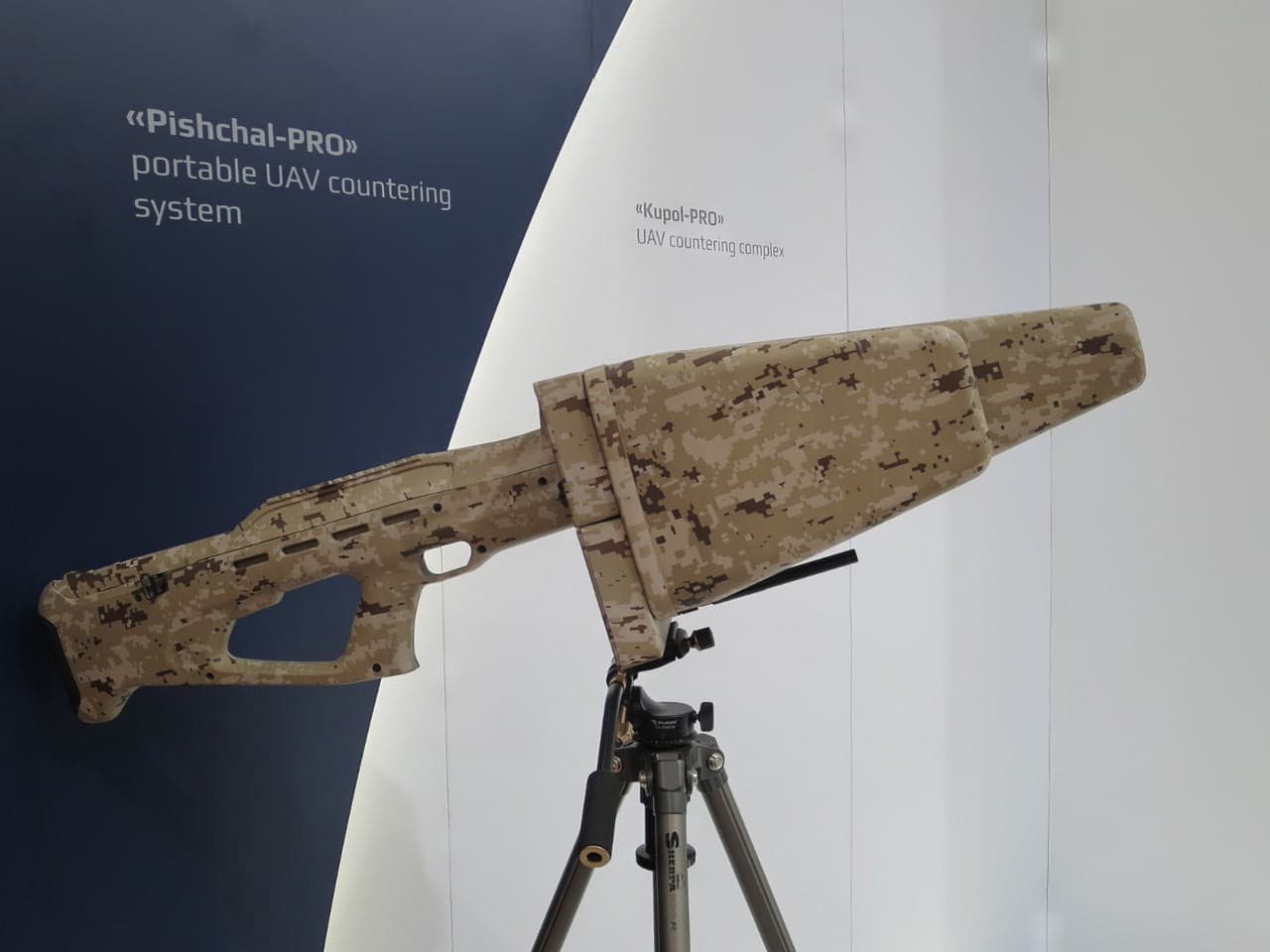
A Pischal Pro anti drone rifle

Detecting directed energy weapons is crucial for personal safety and has significant national security implications. By understanding how to detect these weapons, individuals can take effective measures to protect themselves and their surroundings from potential threats.

Discover the importance of detecting directed energy weapons and learn about the role they play in modern warfare, including incidents like Havana Syndrome. Stay informed and stay vigilant against this emerging technology.

As men, ensuring our personal safety is of utmost importance in today’s world. With the increasing use of Directed Energy Weapons (DEWs), it’s crucial to be aware and knowledgeable about their detection.

DEWs utilize electromagnetic radiation to cause harm or destruction, posing serious threats to individuals. Microwave weapons emit high-frequency electromagnetic radiation that can lead to severe burns and internal organ damage.

Laser weapons employ concentrated beams of light that can potentially cause blindness and severe burns. Particle beam weapons accelerate subatomic particles toward targets, resulting in similar devastating effects.

As someone deeply invested in national security, understanding the implications of directed energy weapons (DEWs) is crucial. DEWs have revolutionized modern warfare and pose significant threats to the safety of nations worldwide.

These weapons are not limited to military use; terrorists and criminals also exploit their destructive power. With their low cost and high accuracy, DEWs have become a preferred choice for both offensive and defensive operations.

By knowing how to detect DEWs, we can augment our defenses against these unseen but dangerous threats. This knowledge empowers us to enhance our security measures, safeguarding our nation from potential attacks by ensuring quick response times and effective countermeasures based on early detection.

From historical conflicts to the present day, directed energy weapons have revolutionized modern warfare. Discover how these advanced technologies are reshaping military strategies and impacting global security.
YouTube player

Throughout the 20th century and into the present day, directed energy weapons (DEWs) have played a significant role in warfare. These advanced weapons systems have been utilized by military forces around the world for a wide range of purposes.

From tactical operations to strategic engagements, DEWs have proven their effectiveness on the battlefield.

One noteworthy example of DEW use is the development of microwave weapons. In recent years, these weapons have gained attention for their ability to emit high-frequency electromagnetic radiation, which can cause severe burns and internal organ damage.

Additionally, laser weapons have become increasingly prevalent in modern warfare. By utilizing concentrated beams of light, they are capable of targeting and destroying enemy assets with remarkable accuracy.

Another type of DEW that has seen significant use is particle beam weapons. These powerful devices accelerate subatomic particles and direct them toward targets, resulting in devastating effects such as severe burns and internal organ damage.

As technology continues to advance at an unprecedented pace, it is crucial for military personnel and law enforcement agencies to remain vigilant in their efforts to detect these highly sophisticated weaponry systems.

With specialized equipment and techniques designed specifically for detecting DEWs – such as radio detection, infrared detection, visual detection, and acoustic detection – professionals can effectively identify potential threats before they escalate.

I recently came across an intriguing phenomenon called Havana Syndrome that has been affecting diplomats and spies from the United States and Canada. The cause of this mysterious ailment is still unknown, but experts believe that it may be linked to electromagnetic beams.

A study conducted by the U.S. National Academies of Sciences, Engineering, and Medicine suggested that the victims likely experienced physical phenomena caused by electromagnetic radiation.

This brings us to the topic of directed energy weapons (DEWs), which use highly focused energy to damage or destroy targets without using solid projectiles. DEWs can pass through the skin and transfer energy to the water just beneath its surface, causing various effects on the human body.

As a result of the increasing threat of piracy, directed energy weapons (DEWs) have become an essential tool in anti-piracy measures. These advanced weapons allow law enforcement and security personnel to quickly and effectively neutralize pirate threats without causing significant harm or casualties.

DEWs such as the Vigilant Eagle systemBofors HPM Blackout, and EL/M-2080 Green Pine radar are used to detect and deter pirates by disabling their vessels or disrupting their communication systems.

With their operational advantages, DEWs provide a non-lethal solution that helps protect maritime interests and ensure the safety of crew members aboard targeted ships.

As we delve into the world of detecting directed energy weapons (DEWs), it’s important to understand both the advantages and challenges that come with this task. One major advantage is the opportunity for increased security and quick response.

By being able to detect DEWs, law enforcement agencies, and military personnel can better protect themselves and others from potential threats.

Another advantage lies in the effective defenses that can be put in place once a DEW is detected. With specialized equipment such as EMF meters, thermal cameras, UV lights, and metal detectors, detection becomes more efficient.

Additionally, having government technology and expertise on hand helps to develop advanced detection techniques.

However, there are also various challenges involved in DEW detection. For one, these weapons often leave little residue or evidence behind, making them difficult to trace back to their source.

Moreover, some DEWs emit low levels of energy or may have unusual energy sources that evade traditional detection methods.

Furthermore, health issues related to exposure to electromagnetic beams pose a challenge in detecting DEWs effectively without causing harm. The symptoms of Havana syndrome experienced by U.S. embassy personnel in Cuba highlight the importance of understanding how different radio frequencies affect our central nervous system.

Despite these challenges, advancements are continuously being made in technologies for identifying electromagnetic waves emitted by DEWs. As we strive towards staying one step ahead of malicious intent surrounding directed energy weapons usage – whether it be governmental or criminal – recognizing both advantages and challenges will assist us in maintaining safety and security against this rising threat.

Common signs of DEW usage include sudden and unexplained burns, skin or eye irritations, electronic device malfunctions, unexplained fires or explosions, and unusual patterns of damage to structures or vehicles.

Personal devices such as smartphones or consumer-grade detectors are not typically capable of detecting the presence of directed energy weapons. Specialized equipment and expertise are required for accurate detection.

There are various countermeasures that can be employed to enhance protection against directed energy weapon attacks. These may include shielding materials, reflective surfaces, specialized clothing, or equipment designed to absorb or disperse the energy emitted by these weapons.

If you suspect the use of a directed energy weapon, it is important to report it to your local law enforcement agency immediately. They have the necessary resources to investigate and take appropriate action in response to potential threats.

In conclusion, being able to detect directed energy weapons is crucial for personal safety and national security. With the increased availability of these weapons to not only military and law enforcement agencies but also to criminals and terrorists, knowing how to identify signs of their use is essential.

By utilizing specialized techniques and tools such as UV lights, thermal cameras, and EMF meters, we can increase our vigilance and quickly respond to any threats posed by these high-tech weapons.

Stay alert, stay informed, and stay safe from the potential dangers of directed energy weapons.


Categories
Selected Articles

US investigating possible mysterious directed energy attack near White House


w_800

Federal agencies are investigating at least two possible incidents on US soil, including one near the White House in November of last year, that appear similar to mysterious, invisible attacks that have led to debilitating symptoms for dozens of US personnel abroad.

Multiple sources familiar with the matter tell CNN that while the Pentagon and other agencies probing the matter have reached no clear conclusions on what happened, the fact that such an attack might have taken place so close to the White House is particularly alarming.

Defense officials briefed lawmakers on the Senate and House Armed Services Committees on the matter earlier this month, including on the incident near the White House. That incident, which occurred near the Ellipse, the large oval lawn on the south side of the White House, sickened one National Security Council official, according to multiple current and former US officials and sources familiar with the matter.

In a separate 2019 episode, a White House official reported a similar attack while walking her dog in a Virginia suburb just outside Washington, GQ reported last year.

Those sickened reported similar symptoms to CIA and State Department personnel impacted overseas, and officials quickly began to investigate the incident as a possible “Havana syndrome” attack. That name refers to unexplained symptoms that US personnel in Cuba began experiencing in late 2016 – a varying set of complaints that includes ear popping, vertigo, pounding headaches and nausea, sometimes accompanied by an unidentified “piercing directional noise.”

Rumors have long swirled around Washington about similar incidents within the United States. While the recent episodes around Washington appear similar to the previous apparent attacks affecting diplomats, CIA officers and other US personnel serving in Cuba, Russia and China, investigators have not determined whether the puzzling incidents at home are connected to those that have occurred abroad or who may be behind them, sources tell CNN.

Defense officials who briefed lawmakers said it was possible Russia was behind the attacks, but they did not have enough information to say for sure. Another former US official involved in the investigation at the time said China was also among the suspects.

The US has struggled to understand these attacks since 2016 and 2017, when diplomatic and intelligence personnel in Cuba first began reporting alarming symptoms that seemed to appear out of the blue. Intelligence and defense officials have been reluctant to speak publicly about the strange incidents, and some who were impacted have complained publicly that the CIA did not take the matter seriously enough, at least initially.

The attacks eventually led to a dramatic drawdown of staff at the outpost in Havana under the Trump administration. Personnel in Russia and China reported similar, unexplained incidents. Though there’s no consensus as to what causes the symptoms, one State Department-sponsored study found they likely were the result of microwave energy attacks.

Another mystery surrounding “Havana syndrome” is how the US government is confronting the problem. Among those investigating the mysterious pattern of possible attacks are the CIA, the State Department and the Defense Department.

Near the end of the Trump administration, the Pentagon sought to take the lead out of perceived frustration that other agencies were not doing enough to address the issue.

“I knew CIA and Department of State were not taking this sh*t seriously and we wanted to shame them into it by establishing our task force,” Chris Miller, who was acting defense secretary at the time, told CNN last week.

Pentagon leaders set up the task force to track reports of such symptoms hitting Defense Department personnel overseas, an effort that Miller said was intended in part as a “bureaucratic power play” to force CIA and State to take the problem more seriously in their own personnel.

Miller said he began to see reports of these mysterious symptoms as a higher priority in December, after interviewing an alleged victim with extensive combat experience.

“When this officer came in and I knew his background and he explained in an extraordinarily detailed but more military style that I could understand, I was like this is actually for real,” Miller said. “This kid had been in combat a bunch and he knew.”

The CIA began its task force in December 2020, and expanded its efforts under new Director William Burns, who vowed during his confirmation hearings to review the evidence on the alleged attacks on CIA personnel overseas, which have long been publicly reported. The State Department named a senior official to lead the department’s response to the “Havana syndrome” attacks in March.

The Defense Department’s effort is thought to be among the most robust, potentially explaining why a defense official, rather than the intelligence community or the FBI, briefed lawmakers on the incident at the Ellipse, even though it took place on US soil.

Miller tapped Griffin Decker, a career civil servant from US Special Operations Command, to run the effort. Decker would track and verify reports in the military of what by then had become known informally as “Havana syndrome.” Miller says Griffin would report a new case to him “every couple of weeks,” although he cautioned that they were on the lookout for false reporting, psychosomatic episodes or hypochondria. Some of the cases they tracked included the children and dependents of Defense Department personnel overseas, Miller said.

Director of National Intelligence Avril Haines was asked about CNN’s reporting by Sen. Jeanne Shaheen, a New Hampshire Democrat, at a Senate Armed Services Committee hearing on Thursday. Haines did not discuss the specifics but called the issue of the mysterious attacks “critically important” and added, “across the intelligence community, frankly, leaders are focused on this issue.”

Haines also defended the classification of information related to the attacks but said members of Congress “should certainly have access to the classified information.”

A White House spokesperson said in a statement, “The White House is working closely with departments and agencies to address unexplained health incidents and ensure the safety and security of Americans serving around the world. Given that we are still evaluating reported incidents and that we need to protect the privacy of individuals reporting incidents, we cannot provide or confirm specific details at this time.”

Decker and Jennifer Walsh, who was the acting under secretary of defense for policy, briefed House and Senate lawmakers over the last two weeks on the possible attacks, two sources familiar with the briefings told CNN. Politico first reported on the committee briefings.

In one incident that was investigated, Marines on a remote base in Syria developed flu-like symptoms shortly after a Russian helicopter flew over the base – raising immediate concerns that it could be one of these strange attacks. But “it was quickly traced, where they had bad food and where no one else on the base had the same symptoms,” said one former US official with knowledge of the incident. It was also determined by a defense physician that the symptoms had begun prior to the Russia patrol, a defense official told CNN.

The Syria episode highlights the difficulties that US officials face in trying to pin down what is and isn’t an attack. The symptoms often vary, and officials still have no clear sense of how the unknown adversary is doing what it’s doing. At least one former US official with knowledge of the matter said that investigators still haven’t completely ruled out the possibility that the symptoms are caused by some kind of naturally occurring phenomenon rather than a weapon.

Another US defense official confirmed that the Pentagon’s investigation is ongoing. The official would offer no details, but said, “We would not still be looking at this if we didn’t have equities in it.”

“There is nothing that the Secretary of Defense takes more seriously that the safety, health and welfare of our personnel serving around the globe in defense of our values and freedoms,” Pentagon press secretary John Kirby said in a statement. “Any concerns on issues that call that into question are thoroughly reviewed, and the appropriate actions are taken to mitigate risks to our personnel.”

A March report from the National Academy of Sciences found that “directed, pulsed radiofrequency energy” was the most likely cause of the strange set of symptoms. While the report was carefully written not to overstate its findings, it offered some of the clearest public evidence to date that the incidents could be attacks, attributing the afflictions to “pulsed” or “directed” energy.

Some personnel have been seriously injured from the alleged attacks, with at least one career CIA officer forced to retire last year and diagnosed with a traumatic brain injury.

This story has been updated with comments from the White House and also the Director of National Intelligence.


Categories
Selected Articles

Egypt’s Sisi discusses Gaza ceasefire efforts with CIA’s Burns, Egypt says – Arab News


Egypt’s Sisi discusses Gaza ceasefire efforts with CIA’s Burns, Egypt says  Arab News

Categories
Selected Articles

Israeli forces push deeper into Gaza City as Hamas warns that escalation threatens cease-fire talks


AP correspondent Charles de Ledesma reports Israeli forces have moved further into parts of Gaza City, leading to more evacuations.

Categories
Selected Articles

‘Frantic calls from Trumpworld’: CNN reporter says campaign wasn’t prepared for curveball – MSN


‘Frantic calls from Trumpworld’: CNN reporter says campaign wasn’t prepared for curveball  MSN

Categories
Selected Articles

Russia’s heaviest bombardment of Kyiv in 4 months kills dozens and hits a children’s hospital


AP correspondent Charles de Ledesma reports the response to a Russian missile barrage in Kyiv is still underway.

Categories
Selected Articles

Biden looks to make the case at the NATO summit that he is still up for the job


AP correspondent Donna Warder reports that NATO leaders are gathering in Washington starting today, and it’s bound to be a test for President Biden.

Categories
Selected Articles

The shadow of Trump looms over the NATO summit


As NATO leaders meet in Washington this week, Ukraine’s future is hanging in the balance.

Despite vows by alliance leaders to keep arming Ukraine in its fight to fend off invading Russian forces, the prospect of Donald Trump’s returning to the White House is casting a shadow over the summit. 

A Trump victory in the November presidential election could mean a dramatic decline in U.S. aid to Ukraine and American political pressure on Kyiv to bow to Russian demands in any peace talks, Western officials say. 

Trump has long avoided criticism of Russia’s invasion and questioned the value of the NATO alliance. His political allies have expressed skepticism about the large U.S. military aid packages provided to Ukraine.

Former national security aides to Trump have proposed a peace plan that would require major concessions from Ukraine, including forsaking the possibility of NATO membership for the foreseeable future.

Trump has offered no details about his position on Ukraine, other than to promise to bring the war to an end “before I even arrive at the Oval Office, shortly after we win the presidency.” But he has not explained how he would end the war.

On a June podcast, Trump was asked whether he would rule out Ukraine’s eventual membership in NATO. He replied that promising membership to Ukraine was a “mistake” and “really why this war started,” comments that seemed to echo Moscow’s talking points about the conflict.

In a statement, Trump campaign communications director Steven Cheung said, “President Trump has repeatedly stated that a top priority in his second term will be to quickly negotiate an end to the Russia-Ukraine war. President Trump believes European nations should be paying more of the cost of the conflict, as the U.S. has paid significantly more, which is not fair to our taxpayers. “

“The war between Russia and Ukraine never would have happened if Donald J. Trump were President. So sad.”

Republican Sen. JD Vance of Ohio, considered a possible running mate for Trump, has argued against sending tens of billions of dollars’ worth of weapons to Ukraine. In opposing the aid package Congress approved in April, Vance said that it would not be enough to shift the course of the war and that America’s defense industry could not produce enough weapons to meet Ukraine’s needs.

Trump’s campaign has said any policy proposals made by his supporters or former advisers are not endorsed by Trump.

European officials say exactly what Trump would do on Ukraine remains an open question, as his team has avoided offering any specifics about his plans. But they are worried.

The growing anxiety among European allies about a Trump victory is “completely understandable,” said John Herbst, a former ambassador to Ukraine and now a senior fellow at the Atlantic Council think tank. “Trump is something of a wild card.”

Ukrainian government officials seeking continued U.S. support have had to navigate a partisan minefield over the past year and have grown frustrated that the issue of arming Kyiv has become a pawn in America’s domestic politics.

They have viewed the Biden administration’s approach as too slow and too cautious, delaying the arrival of badly needed weapons. But they also fear what a second Trump presidency could mean for their cause, Western officials say.

For Kyiv, Trump’s plans are a mystery, said William Taylor, a career diplomat who was ambassador to Ukraine under President George W. Bush and briefly charge d’affaires in Kyiv under Trump.

“They’re not entirely sure — no one is really sure — what former President Trump would do,” said Taylor, now with the U.S. Institute for Peace think tank.

Congress adopted the military aid package in April after months of delay, with a group of pro-Trump Republican lawmakers blocking its approval. But when Congress finally voted on the proposal, Trump did not weigh in publicly. Senate Minority Leader Mitch McConnell, R-Ky., credited Trump’s public silence with helping get the aid across the finish line.

A majority of Americans continue to support arming Ukraine, according to a new survey from the Ronald Reagan Presidential Foundation and Institute, with 57% in favor, 32% opposed and 11% unsure. The poll results were nearly identical to those of a survey conducted a year ago.

Image: destroyed building of Ohmatdyt Children's HospitalEmergency and rescue personnel, medics and others clear the rubble of Ohmatdyt Children’s Hospital following a Russian missile attack in the Ukrainian capital, Kyiv, on Monday.Roman Pilipey / AFP – Getty Images

Although Ukraine has been able to blunt a major Russian offensive near Kharkiv with weapons from the U.S. and European countries, its troops are outnumbered by Russia’s large ground force, and it is struggling to maintain its air defenses against a relentless Russian bombardment of missiles and drones.

On Monday, Russia launched the heaviest aerial attack on Kyiv in four months, striking a children’s hospital in the capital and other targets across the country, killing dozens of people and injuring more than 120, officials in Ukraine said.

To help Ukraine defend itself, NATO member states are prepared to pledge this week to keep spending about $43 billion a year on military equipment for Ukraine, NATO Secretary-General Jens Stoltenberg said last week.

“I expect allies will decide at the summit to sustain this level within the next year,” Stoltenberg told reporters.

Russia's war on Ukraine will top the agenda when NATO leaders meet in the Lithuanian capital Vilnius on Tuesday and Wednesday.President Joe Biden shakes hands with NATO Secretary-General Jens Stoltenberg at the NATO summit in Vilnius, Lithuania, on July 11, 2023. Susan Walsh / AP

The Biden administration and other European governments are expected to make announcements at the NATO summit this week about new military hardware for Ukraine, including possibly more Patriot missile defense systems, fighter jets and other weapons.

As for Ukraine’s future security arrangements, U.S. and European officials say they hope to hammer out a statement at the summit promising an “irreversible” path to NATO membership for Kyiv.

But that language may not be enough to secure Ukraine’s place in the NATO alliance if Trump is elected, said Tamar Jacoby, the Kyiv-based director of the New Ukraine Project at the Progressive Policy Institute think tank.

“If you want to be in the West, you have to be tied to the West, and indeed, you have to be ultimately protected by the West. And so, in a way, NATO membership is the most important thing that Ukrainians are fighting for,” Jacoby said.

NATO countries should adopt a binding measure that would guarantee Ukraine’s eventual membership in the alliance, to protect Ukraine after any possible armistice negotiated between Kyiv and Moscow, she said.

“If ever there was a time to Trump-proof a path into NATO for Ukraine, this would be the moment,” Jacoby said.

Abigail Williams contributed.

Categories
Selected Articles

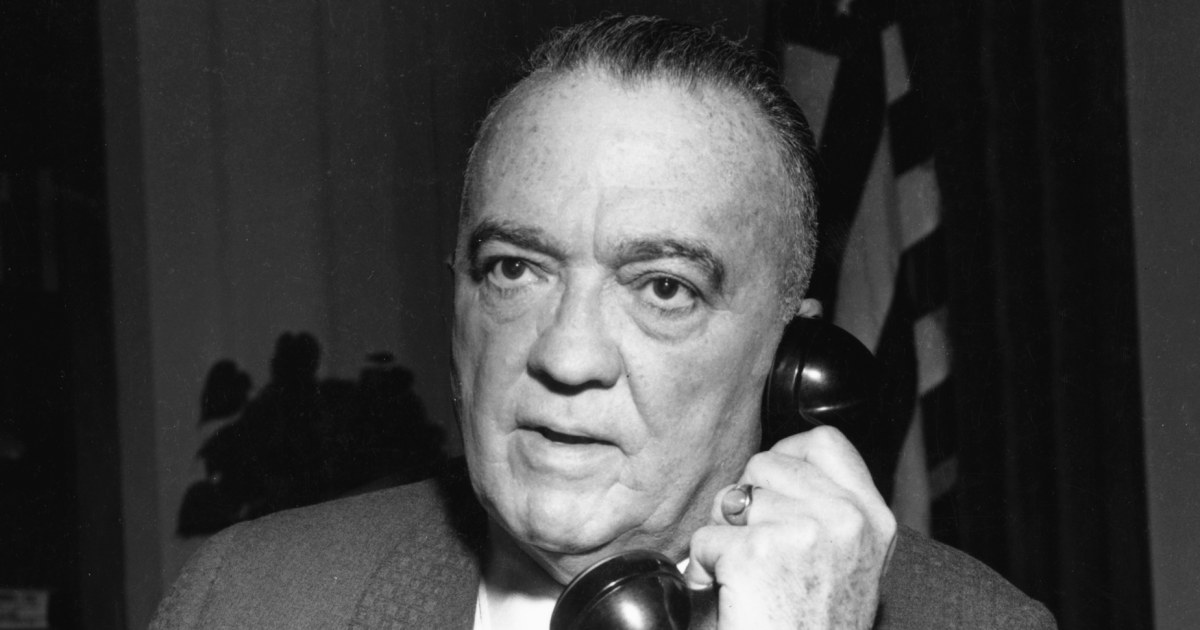
J. Edgar Hoover should validate our fears about SCOTUS’s immunity ruling


240708-j-edgar-hoover-fbi-director-542p-

There’s been much talk about the gravity and impact of this month’s Supreme Court finding granting a former U.S. president presumptive immunity for “official” acts, and absolute immunity when exercising “core constitutional powers.” In the oral arguments preceding this decision, and in the dissenting opinion of Justice Sonia Sotomayor, the justices raised the scenario of a president getting away with ordering Navy SEALS to kill a political opponent, using the military to stage a coup or accepting a bribe in exchange for a pardon. Chief Justice John Roberts called his colleagues’ remonstrations “extreme hypotheticals” and” fearmongering.”

Chief Justice John Roberts called his colleagues’ remonstrations “extreme hypotheticals” and” fearmongering.”

There was nothing extreme in Sotomayor’s concerns, and her fears were justified. As a national security analyst, with 25 years as an FBI agent, I know we don’t need to engage in hypotheticals to lay out this ruling’s likely consequences. All we need to understand what a criminally immune Trump might do, with even one executive branch agency given carte blanche, is to remind ourselves what the nation learned about the FBI during the 1970s.

The great unraveling started in 1971, when a group of peace activists broke into a small FBI office in Media, Pa., and stole whatever files they could carry out. They suspected that the FBI was spying on anti-Vietnam war protestors, especially on college campuses. The files confirmed their suspicions, but unsure of what exactly they were looking at, they handed some of the files to reporters. One journalist, then-NBC reporter Carl Stern, was intrigued by a code word in the files: “COINTELPRO.” It would take years of dogged reporting, lawsuits to uncover documents and a number of congressional committee inquiries to fully learn the details of FBI Director J. Edgar Hoover’s secret counterintelligence program to covertly address anything and anyone deemed to be a threat by Hoover or the presidents he served under.

For over a year, a special Senate committee chaired by Idaho Democrat Frank Church conducted 800 interviews, demanded documents and held public and closed-door hearings. What they learned shocked the nation. The Church Committee and other investigations confirmed that the FBI, the CIA and the NSA had been unlawfully spying on American citizens.

The FBI, with the approval of Attorney General Robert F. Kennedy, and later with the encouragement of President Lyndon Johnson, illegally wiretapped Martin Luther King Jr. and other civil rights leaders. The FBI sent a letter to King, using details uncovered in the wiretap, essentially blackmailing King and suggesting he kill himself. There were countless other “black bag jobs” where the FBI, without court authorization, broke into people’s homes, took evidence, opened and read mail, and planted microphones — all outside the law, because someone in power deemed those American citizens to pose some kind of threat.

Hoover claimed the Black Panther Party was “the greatest threat to internal security of the United States.” (It wasn’t.)

In 1968 and into the 1970s, Hoover claimed the Black Panther Party was “the greatest threat to internal security of the United States.” (It wasn’t.) Hoover discussed the Black Panthers with then-President Richard Nixon and got the green light to go after them, when, as Nixon directed, “you sort of had the scent of the smell of a national conspiracy thing. You know, the kind of thing like the Panthers, and all that … ”  The FBI developed an informant to penetrate the Panthers’ Illinois chapter. In the evening of Dec. 3, 1969, the informant drugged Fred Hampton, one of the chapter’s rising leaders. Chicago police officers, coordinating with the bureau, raided Hampton’s apartment and fatally shot him as he slept.

Unsurprisingly, these sorts of actions did not stop at the Panthers. Nixon ordered the FBI to unlawfully wiretap members of the media without benefit of lawful court orders, simply because Nixon didn’t like those reporters. And, during the Watergate scandal, he ordered the CIA to tell the FBI to end their investigation into the illegal break-in directed by Nixon’s campaign.

Remember, it was Nixon who infamously said during an interview, “When the president does it, that means it is not illegal.” Nixon’s assertion was wrong back in the 1970s. Yet, with this month’s court ruling on absolute immunity, an American president can make that declaration with a straight face. If a president is acting within his Constitutional powers, they can tell the FBI to do almost anything to suppress any “threat” — real or imagined, political or not.

According to a Reuters report, Trump’s allies are already planning to give their candidate direct control of DOJ and the FBI so that they will no longer function independent of the White House. “Two prominent Trump allies told Reuters they support eliminating the FBI’s general counsel” — the office that flashes a red light whenever the bureau is about to do something unlawful. If that red light is removed, there’d be nothing standing between a president and a crime spree.

Do Sotomayor’s hypotheticals seem “extreme” now? They shouldn’t, because we’ve already “been there, done that” as a nation.

The Church Committee’s findings resulted in numerous regulations and policies that established guardrails to prevent the FBI and other intelligence agencies from unlawfully spying on Americans. The committee also established the Foreign Intelligence Surveillance Act (FISA) court to ensure that federal judges approve all national security wiretaps and covert search warrants. Today, a president could tell the FBI to ignore the formalities of the FISA court and simply spy on his enemies — without fear of criminal liability.

Do Sotomayor’s hypotheticals seem “extreme” now? They shouldn’t, because we’ve already “been there, done that” as a nation. If none of this troubles you, you’re not paying attention. Because some day, a president you don’t support can designate you, your friends, your employer or your favorite organization or news platform a threat. That president could direct the FBI to spy on those entities and people, and you won’t know about it until it’s too late. It’s happened before, and it can happen again.


Categories
Selected Articles

Biden says he won’t drop out as some Democrats question his ability


3L6SATQTXFNDPDMTDZ43RNURKY.jpg?auth=3330

WASHINGTON, July 8 (Reuters) – President Joe Biden refused to abandon his reelection campaign on Monday as he sought to stave off a possible revolt by fellow Democrats who worry the party could lose the White House and Congress in the Nov. 5 U.S. election.

Biden, 81, said any candidates who doubt his ability should challenge him at the Democratic National Convention in August – an effort that stands no chance of success unless he lets the delegates he won in primaries this year consider other candidates.

“The bottom line here is that I am not going anywhere,” Biden said in a phone call he placed to MSNBC’s Morning Joe program. He repeated that message to donors on a private call later in the day, according to a source on the call.

Separately, he told wavering Democratic lawmakers in a letter that they needed to close ranks behind his candidacy. Several have called for him to drop out, and more could do so now that lawmakers have returned to Washington after a break.
Biden faces a critical week as he tries to shore up a campaign that has been on defense since a shaky June 27 debate against Republican Donald Trump, which raised questions about his ability to do the job for another 4-1/2 years.
Though he has secured enough delegates to win the Democratic presidential nomination, some donors and lawmakers have called for him to step aside and let Vice President Kamala Harris or another candidate lead the ticket.

Several senior House Democrats called for Biden to drop out in a Sunday phone call, media outlets reported. Other lawmakers said they supported his candidacy.

“President Joe Biden is the nominee and has been selected by millions of voters across this country,” Representative Steven Horsford, chair of the Congressional Black Caucus, said on social media. Black voters are a critical part of Democrats’ base of support.

In his letter to Democrats, Biden said he was aware of their concerns but said it was time to put them aside.

On MSNBC, Biden sounded a defiant note against wealthy donors who have called for him to drop out. “I don’t care what the millionaires think,” he said.

A growing number of Democratic lawmakers have voiced concern that his poor public approval ratings, plus concerns about his age and ability, could hurt the party’s prospects for retaining the Senate, which they control by a 51-49 majority, and winning back the House, where Republicans have a 219-213 majority.

If Republicans were to capture the White House and both houses of Congress, Trump would face few constraints on his ability to push through major policy changes.

Biden on Sunday made a series of campaign appearances in Pennsylvania, a battleground state that traditionally can decide an election. He was joined by Senator John Fetterman, a high-profile Democrat who has rejected calls for Biden to drop out.
He will have little time to campaign this week as he hosts a meeting of NATO member states, capped with a rare solo press conference on Thursday.
A Reuters/Ipsos poll last week found that one in three registered Democratic voters believed that Biden should quit the race, with 59% of respondents in the president’s party saying he is too old to work in government.

However, that poll also found that none of his possible replacements fared better in a matchup against Trump. The poll found Biden and Trump tied at 40% each.

Biden’s troubles appear to be increasing the number of races Democrats need to worry about in November.

Internal party polling shows that New Mexico and Virginia became more competitive following the debate, according to a source familiar with the findings, and the nonpartisan Center for Politics at the University of Virginia last week shifted its ratings on the states of Michigan and Minnesota to make each slightly more favorable for Republicans.

Together, those states will host a half-dozen of the most competitive House races.

Sign up here.

Reporting by Trevor Hunnicutt, Jeff Mason, Nandita Bose, Steve Holland, Doina Chiacu, Moira Warburton, Richard Cowan and Andrea Shalal; Writing by Andy Sullivan; Editing by Scott Malone and Howard Goller

Our Standards: The Thomson Reuters Trust Principles., opens new tab