While the principal combatants on the ground differ, the assertion that the Ukraine and Iran conflicts share the same actors and overarching strategies captures a growing reality in international security. These conflicts are increasingly operating as an interconnected system where actions in one theater directly dictate the balance of power in the other.
The Overlapping Actor Network
The broader geopolitical coalitions driving and sustaining both conflicts are deeply intertwined, creating a shared logistics and intelligence environment.
-
The Strategic Axis: Iran functions as a critical supplier for Russia, providing loitering munitions and drone technology for use in Ukraine. In exchange, Russia is increasingly supplying Iran with advanced military technology, air-defense systems, and targeting intelligence.
-
The Constrained Counter-Coalition: The United States and its European allies are stretching the same logistical networks across both theaters. The exact same Western supply of missile interceptors and intelligence assets is required to defend both Ukrainian cities and Middle Eastern airspace.
-
Tactical Cross-Pollination: In a direct transfer of battlefield knowledge, Ukraine has begun exporting its hard-won anti-drone expertise to Gulf states, helping them adapt to the exact same asymmetric threats deployed by Iranian proxies.
Strategic Convergence: The Logic of “Managed Instability”
The operational cadence of both conflicts has settled into a remarkably similar pattern of attrition, coercion, and managed instability.
-
The Failure of Decisive Force: Both conflicts began with larger powers anticipating that overwhelming conventional superiority would force a rapid political outcome. In both cases, the targeted networks adapted, forcing the conflicts into open-ended contests over long-term leverage rather than swift military victories.
-
Economic and Asymmetric Warfare: Both theaters demonstrate how non-traditional warfare is used to manipulate global markets. Ukraine targets Russian oil refineries to inflict economic pain, mirroring Iran’s strategy of utilizing proxy forces to threaten maritime chokepoints in the Red Sea and the Strait of Hormuz, thereby raising global shipping and insurance risks.
-
The Democratization of Lethality: In both environments, cheap, disposable drones and autonomous systems have altered the cost calculus of war. Smaller actors can now impose disproportionate costs on advanced militaries, turning both theaters into transparent, heavily surveilled spaces where mass force is highly vulnerable without rapid adaptation.
Divergent Operational Environments
While the actors and strategic logic overlap, it is critical to distinguish the physical domains in which these wars are fought.
-
Force Application: Ukraine remains a massive, mechanized ground war defined by trench networks and the physical contest for territory. Conversely, the Iranian conflict operates as a multi-domain, indirect campaign relying heavily on proxy militias, aerospace strikes, and maritime harassment.
-
Strategic Objectives: Ukraine’s primary objective is sovereign survival and territorial defense. The conflict surrounding Iran is focused on regional deterrence, protecting the commercial viability of the Gulf economic model, and countering the spread of proxy hegemony.
Ultimately, these are not a single merged war, but rather two interconnected fronts of a “two-war proxy context”. Escalation, resource consumption, and technological breakthroughs in one theater immediately alter the strategic reality in the other.
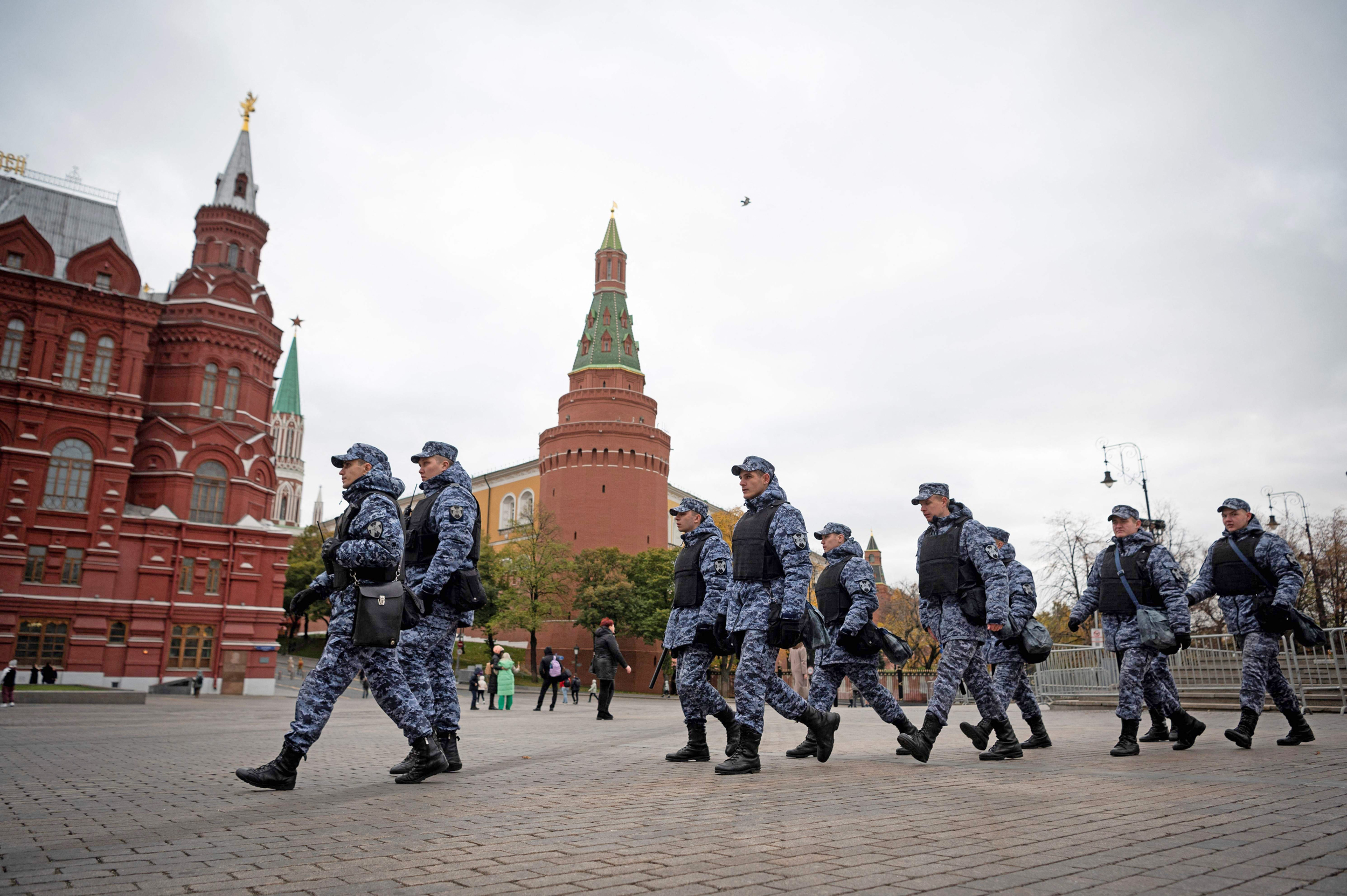 The Russian World - russianworld.net




![News Today - 1:15 PM - AI Mode The escalation of global trade and military tensions, alongside major U.S. primary election results, dominate the news today, Wednesday, August 19, 2026. [1, 2] Global Conflicts & Trade Realignment UAE-Iran Trade Blockade: The United Arab Emirates has enacted a major trade embargo against Iran after accusing Tehran of firing ballistic missiles into its territory, threatening a critical economic lifeline for Iran. [3, 4] U.S.-Canada Tariffs Paused: President Donald Trump has postponed his newly proposed tariffs on $20 billion worth of Canadian imports for three days while both nations finalize a deal to avert the taxes. [2, 5] Military Drills Shortened: At the r](https://pbs.twimg.com/media/HQG0FazXsAA2-za.png)