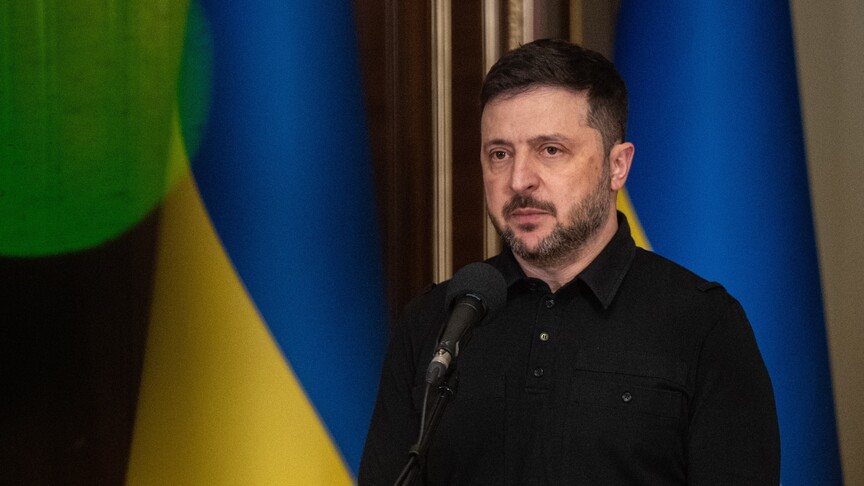
Ukraine war latest: Zelensky claims Putin drafting 300,000 troops to seize territory The Independent
Day: August 23, 2026
FBI chief Kash Patel stunned lawmakers at a Congressional hearing after dropping explosive claims about the Jeffrey Epstein case. A heated exchange erupted as Rep. Jamie Raskin pressed Kash Patel on his past comments demanding the immediate release of Jeffrey Epstein’s client list. Raskin played Patel’s previous remarks, where he claimed the FBI director had ‘direct control’ of Epstein’s black book, and demanded to know why the names of Epstein’s co-conspirators in human trafficking have not been made public. Watch the Full confrontation and reaction from lawmakers as tensions flare on Capitol Hill.
#kashpatel #epsteinfiles #jeffreyepstein #fbihearing #congresshearing #breakingnews #uspolitics #capitolhill #jamieraskin #epsteinlist #humantrafficking #trumpnews #politicalshowdown #worldnews #justicesystem
► Subscribe to The Economic Times for the latest video updates. It’s free! – https://www.youtube.com/TheEconomicTimes?sub_confirmation=1
► More Videos @ ETTV – https://economictimes.indiatimes.com/TV
► https://EconomicTimes.com
► For business news on the go, download ET app:
https://etapp.onelink.me/tOvY/EconomicTimesApp
Follow ET on:
► Facebook – https://www.facebook.com/EconomicTimes
► Twitter – https://www.twitter.com/economictimes
► LinkedIn – https://www.linkedin.com/company/economictimes
► Instagram – https://www.instagram.com/economictimes/
► Flipboard – https://flipboard.com/@economictimes
#news #latestnews #economictimes #ET #TheEconomicTimes #businessnews

Ukraine’s New Missile Defense Strategy
As of August 2026, Ukraine is undergoing a major pivot in its missile defense strategy. Driven by plummeting interception rates and dwindling Western stockpiles of high-end interceptors, Kyiv has shifted from a purely reactive posture to a hybrid strategy combining preemptive “active defense” with the accelerated development of sovereign and pan-European anti-ballistic architectures.
Here is an analysis of Ukraine’s new strategic framework, along with expert assessments and predictions for the 2026–2027 timeline.
The “Lethal Math” Forcing the Shift
The catalyst for this new strategy is a severe disparity in production and interception mathematics.
According to recent analyses, Russia has significantly ramped up its ballistic missile production, currently holding around 600 to 630 in reserve and aiming to produce up to 1,300 annually (roughly 100 per month).
To survive, Ukraine cannot afford to simply wait and shoot down incoming fire.
Three Pillars of the New Strategy
1. Active Defense: “Hunting the Launchers”
Instead of relying on scarce interceptors to shoot down missiles mid-air, Ukraine has initiated a new operational phase focused on preemptively destroying the launch platforms themselves.
-
The Tactic: Utilizing deep-strike capabilities and expanded intelligence sharing, Ukrainian forces are actively hunting Russian mobile erector-launchers (like the Iskander systems) positioned in border regions such as Bryansk and Kursk.
-
Recent Success: On August 22, 2026, President Zelenskyy confirmed a successful strike on an Iskander launcher, validating this “active defense” doctrine aimed at disrupting large-scale Russian salvos before they are fired.
2. Project FREYJA: A Sovereign European Shield
Recognizing that reliance on non-European (primarily US) systems is a critical vulnerability, Ukraine is spearheading Project FREYJA, formally launched in Paris in July 2026.
-
The Coalition: The initiative includes 10 European nations (including the UK, France, Germany, and Sweden), with Ukraine acting as the system integrator.
-
The Goal: The coalition aims to bypass operational bottlenecks—such as microelectronic supply chain issues—to build a pan-European, multilayered anti-ballistic missile architecture.
A working prototype of the FREYJA interceptor shield is targeted for the first half of 2027.
3. Domestic Production & Bridging the Gap
While FREYJA develops, Ukraine is bridging its immediate vulnerabilities through a mix of domestic manufacturing and stopgap European procurement:
-
Domestic Ballistics: Ukraine has accelerated its native defense-tech sector (working with clusters like Brave1), aiming to roll out its own domestic anti-ballistic systems and ballistic capabilities by 2026–2027.
-
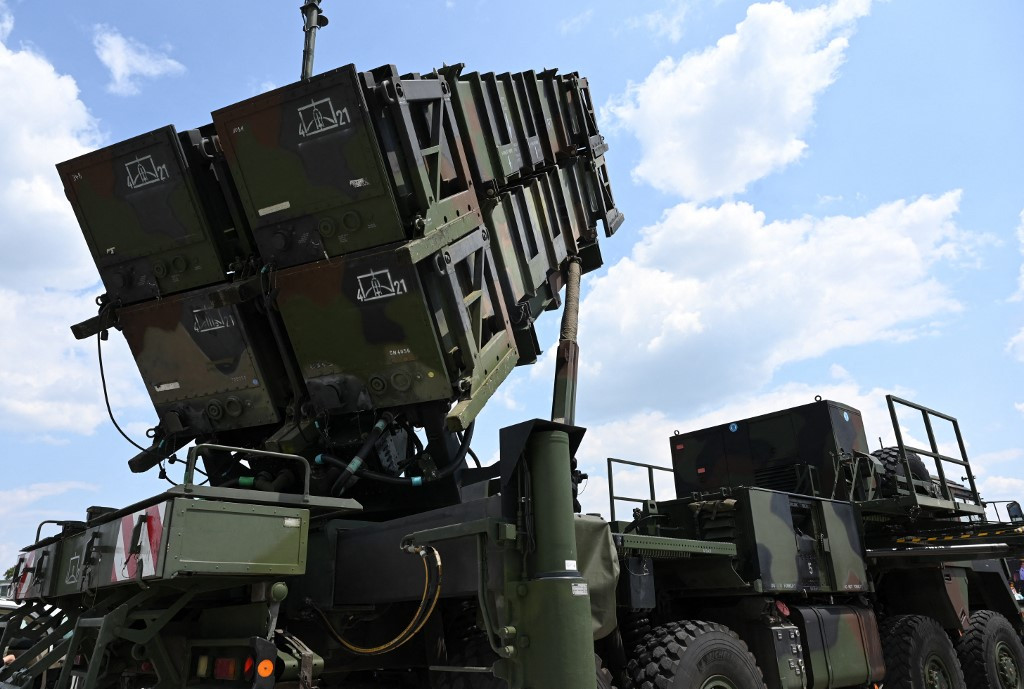
European Procurement: To cover the immediate shortfall, Ukraine recently secured an agreement with Germany for 600 PAC-2 missiles to be delivered across 2027–2028, and expects new radar systems and a SAMP/T battery from France this fall.
Assessments and Predictions for 2026–2027
1. A Vulnerable Winter Ahead
Despite the strategic shift, the winter of 2026–2027 is predicted to be exceptionally difficult. Ukraine’s energy infrastructure has been heavily degraded, and spare equipment is finite.
2. Escalation of Deep-Strike Warfare
Analysts predict the war will move further away from massive mechanized land maneuvers and heavily toward deep-strike warfare. Ukraine will increasingly use AI-guided drone swarms, cyber warfare, and long-range strikes to hold Russian oil, gas, and military manufacturing facilities at risk.
3. Integration into the European Defense Base
By 2027, Ukraine is predicted to fundamentally shift its defense posture away from US dependency. Through Project FREYJA and licenses to manufacture French and other European weaponry domestically, Ukraine is positioning itself as the central testing ground and manufacturer for Europe’s next generation of continental air defense.
–
Ukraine has recently shifted its defensive tactics toward directly hunting down and destroying Russian ballistic missile launchers, rather than solely relying on intercepting the missiles in the air.
President Volodymyr Zelenskyy confirmed this approach on August 22, 2026, following a successful strike on a Russian Iskander launcher near the border.
The “Archer vs. Arrow” Strategy
Military analysts describe this approach using an “archer and arrow” analogy: instead of expending limited, expensive interceptor missiles to shoot down every incoming “arrow” (the missile), it is more effective to destroy the “archer” (the mobile launcher) before it can fire.
Here is a breakdown of why this strategy has been implemented and how it works:
-
Interceptor Shortages: Ukraine is facing a severe shortage of Western-supplied anti-ballistic missile systems, making it difficult to maintain a purely defensive posture against incoming strikes.
-
Record Attacks: Russia launched nearly 200 ballistic missiles (including S-400s, Zircons, and Oniks) at Ukraine in July 2026 alone—the highest monthly total since the full-scale invasion began.
-
Targeting Mobile Launchers: Russia relies on an estimated 100 to 150 mobile launch units for these strikes.
By systematically hunting down these specific vehicles, Ukraine aims to permanently degrade Russia’s capacity to launch mass barrages. -
Deep Strike Capabilities: To execute this, Ukraine is utilizing complex strike operations, which include the use of advanced kamikaze drones capable of striking targets deep inside Russian territory or near the border.
There are also ongoing discussions about equipping long-range drones with Starlink for better navigation and control during these specific hunt-and-destroy missions.
Zelenskyy has described this effort as a “separate, more difficult tactic” and a dedicated operation that the Ukrainian Defense Forces are actively prioritizing to protect strategic infrastructure.
–
Links
Ukraine’s New Missile Defense Strategy https://share.gemini.google/lIySop1t6s3p
Ukraine’s New Missile Defense Strategy https://share.gemini.google/vlsOfY8EK8Fw
–
Ukraine’s New Missile Defense Strategy
As of August 2026, Ukraine is undergoing a major pivot in its missile defense strategy. Driven by plummeting interception rates and dwindling Western stockpiles of high-end interceptors, Kyiv has shifted from a purely reactive posture to a hybrid strategy combining preemptive “active defense” with the accelerated development of sovereign and pan-European anti-ballistic architectures.
Here is an analysis of Ukraine’s new strategic framework, along with expert assessments and predictions for the 2026–2027 timeline.
The “Lethal Math” Forcing the Shift
The catalyst for this new strategy is a severe disparity in production and interception mathematics.
According to recent analyses, Russia has significantly ramped up its ballistic missile production, currently holding around 600 to 630 in reserve and aiming to produce up to 1,300 annually (roughly 100 per month).
To survive, Ukraine cannot afford to simply wait and shoot down incoming fire.
Three Pillars of the New Strategy
1. Active Defense: “Hunting the Launchers”
Instead of relying on scarce interceptors to shoot down missiles mid-air, Ukraine has initiated a new operational phase focused on preemptively destroying the launch platforms themselves.
-
The Tactic: Utilizing deep-strike capabilities and expanded intelligence sharing, Ukrainian forces are actively hunting Russian mobile erector-launchers (like the Iskander systems) positioned in border regions such as Bryansk and Kursk.
-
Recent Success: On August 22, 2026, President Zelenskyy confirmed a successful strike on an Iskander launcher, validating this “active defense” doctrine aimed at disrupting large-scale Russian salvos before they are fired.
2. Project FREYJA: A Sovereign European Shield
Recognizing that reliance on non-European (primarily US) systems is a critical vulnerability, Ukraine is spearheading Project FREYJA, formally launched in Paris in July 2026.
-
The Coalition: The initiative includes 10 European nations (including the UK, France, Germany, and Sweden), with Ukraine acting as the system integrator.
-
The Goal: The coalition aims to bypass operational bottlenecks—such as microelectronic supply chain issues—to build a pan-European, multilayered anti-ballistic missile architecture.
A working prototype of the FREYJA interceptor shield is targeted for the first half of 2027.
3. Domestic Production & Bridging the Gap
While FREYJA develops, Ukraine is bridging its immediate vulnerabilities through a mix of domestic manufacturing and stopgap European procurement:
-
Domestic Ballistics: Ukraine has accelerated its native defense-tech sector (working with clusters like Brave1), aiming to roll out its own domestic anti-ballistic systems and ballistic capabilities by 2026–2027.
-
European Procurement: To cover the immediate shortfall, Ukraine recently secured an agreement with Germany for 600 PAC-2 missiles to be delivered across 2027–2028, and expects new radar systems and a SAMP/T battery from France this fall.
Assessments and Predictions for 2026–2027
1. A Vulnerable Winter Ahead
Despite the strategic shift, the winter of 2026–2027 is predicted to be exceptionally difficult. Ukraine’s energy infrastructure has been heavily degraded, and spare equipment is finite.
2. Escalation of Deep-Strike Warfare
Analysts predict the war will move further away from massive mechanized land maneuvers and heavily toward deep-strike warfare. Ukraine will increasingly use AI-guided drone swarms, cyber warfare, and long-range strikes to hold Russian oil, gas, and military manufacturing facilities at risk.
3. Integration into the European Defense Base
By 2027, Ukraine is predicted to fundamentally shift its defense posture away from US dependency. Through Project FREYJA and licenses to manufacture French and other European weaponry domestically, Ukraine is positioning itself as the central testing ground and manufacturer for Europe’s next generation of continental air defense.
–
Ukraine has recently shifted its defensive tactics toward directly hunting down and destroying Russian ballistic missile launchers, rather than solely relying on intercepting the missiles in the air.
President Volodymyr Zelenskyy confirmed this approach on August 22, 2026, following a successful strike on a Russian Iskander launcher near the border.
The “Archer vs. Arrow” Strategy
Military analysts describe this approach using an “archer and arrow” analogy: instead of expending limited, expensive interceptor missiles to shoot down every incoming “arrow” (the missile), it is more effective to destroy the “archer” (the mobile launcher) before it can fire.
Here is a breakdown of why this strategy has been implemented and how it works:
-
Interceptor Shortages: Ukraine is facing a severe shortage of Western-supplied anti-ballistic missile systems, making it difficult to maintain a purely defensive posture against incoming strikes.
-
Record Attacks: Russia launched nearly 200 ballistic missiles (including S-400s, Zircons, and Oniks) at Ukraine in July 2026 alone—the highest monthly total since the full-scale invasion began.
-
Targeting Mobile Launchers: Russia relies on an estimated 100 to 150 mobile launch units for these strikes.
By systematically hunting down these specific vehicles, Ukraine aims to permanently degrade Russia’s capacity to launch mass barrages. -
Deep Strike Capabilities: To execute this, Ukraine is utilizing complex strike operations, which include the use of advanced kamikaze drones capable of striking targets deep inside Russian territory or near the border.
There are also ongoing discussions about equipping long-range drones with Starlink for better navigation and control during these specific hunt-and-destroy missions.
Zelenskyy has described this effort as a “separate, more difficult tactic” and a dedicated operation that the Ukrainian Defense Forces are actively prioritizing to protect strategic infrastructure.
–
Links
Ukraine’s New Missile Defense Strategy https://share.gemini.google/lIySop1t6s3p
Ukraine’s New Missile Defense Strategy https://share.gemini.google/vlsOfY8EK8Fw
–
Categories